Open Rack: A Flexible and Efficient Solution for Modern Data Centers
Introduction
Modern data centers require infrastructure that supports efficient equipment installation, better airflow, easy accessibility, and future expansion. As businesses continue to expand their digital operations, choosing the right server infrastructure has become increasingly important. An Open Rack provides a practical solution for organizing servers, networking devices, and other IT equipment in a structured and accessible arrangement. Unlike traditional enclosed cabinets, its open-frame design allows better equipment visibility, convenient maintenance, and improved airflow.
With increasing demands for cloud computing, virtualization, enterprise networking, and high-performance computing, organizations need infrastructure that can adapt to changing technological requirements. Selecting suitable rack systems helps businesses optimize available space, simplify equipment management, and maintain reliable IT operations.

Understanding the Structure and Design
An open-frame rack is designed to accommodate different types of IT equipment while providing easy access from multiple sides. Its framework generally consists of vertical mounting rails, horizontal support structures, and adjustable installation points. This configuration allows technicians to install and remove equipment without dealing with unnecessary enclosure restrictions.
The open construction also makes it easier to inspect connections, identify components, and perform routine maintenance. Depending on the application, racks are available in different heights, widths, depths, and load-bearing capacities.
Businesses can select configurations based on their equipment dimensions, installation environment, and operational requirements. Additional accessories such as shelves, cable organizers, mounting brackets, and power distribution units can further improve functionality.
Key Advantages for IT Infrastructure
Choosing the right rack infrastructure can significantly influence the performance and manageability of a data center. Open-frame designs offer several advantages that make them suitable for different IT environments.
1. Improved Airflow and Ventilation
Heat management is an important consideration in server environments. Servers, switches, and networking equipment generate heat during continuous operation. Restricted airflow can increase operating temperatures and affect equipment performance.
Open-frame structures allow air to circulate more freely around installed devices. This can help reduce airflow restrictions and support the overall cooling strategy of a data center. Proper equipment spacing and rack positioning further contribute to effective ventilation.
2. Easy Equipment Accessibility
Accessibility is another major benefit of open-frame infrastructure. Technicians can reach equipment from different sides, making installation, inspection, and maintenance more convenient.
This arrangement is particularly useful in environments where frequent hardware upgrades and configuration changes are required. Easy access can also reduce maintenance time and simplify troubleshooting activities.
3. Efficient Space Utilization
Organizations often need to accommodate multiple IT devices within limited facility space. Open-frame racks provide a compact mounting structure that can support organized equipment installation without the additional physical enclosure of traditional cabinets.
Their flexible configurations allow businesses to arrange hardware according to available floor space and operational requirements. This helps maintain an organized installation while making room for future equipment additions.
4. Flexible Equipment Installation
Different businesses use different combinations of servers, switches, storage systems, and networking accessories. Adjustable mounting rails and compatible accessories make it easier to accommodate these varying requirements.
Organizations can modify their rack configurations as their equipment needs change, helping them avoid unnecessary infrastructure replacements.
Applications Across Different Industries
Open-frame rack systems are used in several industries where organized equipment mounting and easy accessibility are important.
In data centers, they support the installation of servers, switches, and other critical hardware. Their accessible construction makes them useful for environments requiring frequent equipment maintenance and upgrades.
Telecommunication facilities also benefit from structured rack installations. Network devices, connectivity equipment, and related hardware can be arranged systematically to simplify monitoring and maintenance.
Educational institutions, research laboratories, broadcasting facilities, and enterprise IT departments can also use these systems to organize their technical equipment. Their adaptable construction makes them suitable for different operational environments.
Importance of Proper Cable Organization
A well-organized infrastructure requires more than suitable equipment mounting. Proper cable routing is equally important for maintaining accessibility, reducing clutter, and simplifying maintenance.
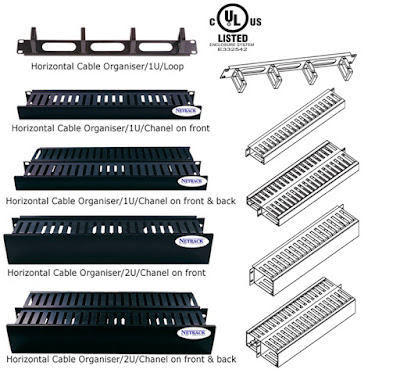
Network Cable Management plays an important role in keeping power cables, data cables, and connectivity lines properly arranged within an IT environment. Cable trays, horizontal organizers, vertical management accessories, and routing channels help prevent tangled connections and maintain a structured installation.
Proper cable organization also makes it easier for technicians to identify individual connections during troubleshooting. It can reduce accidental cable disconnections and improve the overall appearance of the installation.
Businesses should consider cable routing requirements during the initial infrastructure planning stage rather than treating them as an afterthought. This approach helps ensure that equipment placement, connectivity, and maintenance access work together effectively.
Factors to Consider Before Selecting a Rack
Before investing in rack infrastructure, organizations should evaluate their equipment requirements and installation environment. Making the right selection helps improve long-term usability and operational efficiency.
Load-Bearing Capacity: The rack should support the combined weight of all installed equipment. Businesses must consider current hardware as well as potential future additions.
Dimensions and Compatibility: Rack height, width, depth, and mounting specifications should match the equipment being installed. Proper measurements help avoid compatibility problems.
Material and Durability: High-quality materials and reliable construction contribute to structural stability and long-term performance. The rack should be suitable for its intended operating environment.
Airflow Requirements: Equipment generates different amounts of heat depending on its configuration and workload. Businesses should evaluate ventilation requirements and ensure that the installation supports effective cooling.
Accessories and Expandability: Compatible accessories can improve functionality and simplify equipment organization. Organizations should also consider whether the selected design can accommodate future infrastructure changes.
Supporting Future Infrastructure Growth
Technology continues to evolve, creating new requirements for equipment capacity, connectivity, and infrastructure flexibility. Businesses need solutions that can accommodate these developments without requiring frequent replacements.
An Open Rack supports flexible equipment arrangements and allows organizations to modify their installations as operational demands increase. Its accessible design makes hardware upgrades, component replacements, and routine inspections more convenient.
As businesses adopt technologies such as artificial intelligence, cloud computing, virtualization, and high-density networking, infrastructure planning becomes even more important. Organizations must evaluate equipment weight, power requirements, cooling capacity, and connectivity before expanding their installations.
A scalable approach helps businesses manage their resources effectively while preparing their IT environments for future technological developments.
Maintenance Practices for Long-Term Performance
Regular maintenance helps preserve the reliability and functionality of rack infrastructure. Organizations should periodically inspect mounting rails, support structures, fasteners, and installed accessories to identify signs of damage or wear.
Technicians should also check cable connections, verify equipment stability, and ensure that ventilation paths remain unobstructed. Keeping the installation clean and maintaining proper spacing around equipment can further support effective airflow.
Documenting equipment placement and connection details can simplify maintenance activities. It also helps technical teams identify individual components quickly and perform upgrades with greater accuracy.
Preventive maintenance reduces the likelihood of unexpected infrastructure problems and helps organizations maintain a dependable working environment.
Conclusion
Selecting suitable rack infrastructure is an important step toward building an organized, accessible, and efficient IT environment. From improved airflow and convenient maintenance to flexible equipment installation and space optimization, open-frame designs offer several advantages for modern businesses. A properly planned Open Rack installation can support current operational requirements while providing the flexibility needed for future expansion.
Netrack India offers reliable infrastructure solutions designed to meet the evolving requirements of modern data centers and IT environments. By focusing on equipment compatibility, structural strength, cable organization, and long-term scalability, businesses can improve equipment accessibility, simplify maintenance, and create a dependable foundation for future technological growth.

Comments
Post a Comment